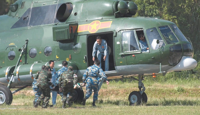
The bodies of 15 Indian tourists who were killed when a speedboat capsized off the southern coast last week were being returned home.
The speedboat was carrying 32 Indian tourists and four Vietnamese crew members when it overturned near the shore Saturday afternoon, shortly after leaving Hon May Rut Ngoai island near Phu Quoc, Vietnam’s largest island, authorities said.
The boat’s captain, Nguyen Hong Hai, 57, is under investigation for alleged violations of waterway transport safety regulations, state media reported.
The flight carrying the remains from Ho Chi Minh City was to arrive in Mumbai late yesterday, the Indian Embassy in Hanoi said.
It said the home states were asked to coordinate further travel. Ten of the dead were from Tamil Nadu, three from Andhra Pradesh and two from Kerala.
The group was on a company trip organised by Lava International, a smartphone and consumer electronics manufacturer, for its employees, distributors and retail partners, the company said.
The embassy previously said 16 survivors were released from the hospital and were returning to India. One remained in critical condition in a Vietnamese hospital. — AP