




Hong Kong infrastructure and artificial intelligence (AI) firms are well placed to capitalise on a surge of expansion opportunities in Malaysia, but unlocking this potential will require cultural sensitivity and adapting to local market dynamics, industry insiders have said.
The remarks follow the recent opening of Hong Kong’s new Economic and Trade Office in Kuala Lumpur to bolster bilateral ties, coinciding with Malaysia’s New Industrial Master Plan 2030, which aims to advance the country’s push towards high-value, sustainable and innovation-led growth.
Three infrastructure-related companies told the South China Morning Post that they were actively pursuing business opportunities in Malaysia.
“Traffic congestion and a vast geographic landscape have made Malaysia one of the most promising markets for rail infrastructure expansion in Southeast Asia, offering substantial commercial opportunities for international transit operators,” said Chang Che-son, executive chairman of railway systems consultancy Key Direction.
He noted that Malaysia’s strategic border connections to Thailand in the north and Singapore in the south, combined with its ongoing buildout of a comprehensive railway network, yielded significant long-term commercial potential and served as a crucial gateway to the broader Southeast Asian market.
Citing his own firm as an example, he highlighted that its extensive track record with Hong Kong’s MTR Corporation allowed it to inject world-class expertise into local projects, a vital advantage in bridging regional experience gaps and establishing a competitive edge.
According to Hong Kong government data, trade between the two jurisdictions was worth HK$220 billion (US$28.2 billion) in 2022. They were each other’s ninth-largest trading partners that year.
The Association of Southeast Asian Nations, or Asean, continued to serve as Hong Kong’s second-largest merchandise trading partner.
The Asean bloc comprises the Philippines, Indonesia, Malaysia, Singapore, Brunei, Thailand, Vietnam, Cambodia, Laos, Myanmar and East Timor.
Stanley Ng, a planner and CEO of robotics firm AI Cities, which has an office in Malaysia, highlighted significant market opportunities in the region, especially in the technology sector, noting that local labour shortages and a heavy reliance on imported foreign workers were driving strong demand for robotics solutions.
“There is immense potential for introducing robotics in Malaysia,” he said.
“Look at the hospitality sector; local hotels have already started deploying service robots, which shows how ready the market is for automation.”
He added that his company was currently in discussions to introduce robotics to the market, leveraging the country’s open market and strong multilingual talent pool.
Citing Malaysia as a stable market, he noted that while Middle East volatility had created persistent regional logistics challenges, the firm’s robotic transport projects remained on hold for now.
For professionals considering a move, he noted that while local salaries might be lower than in Hong Kong, the unique experience was valuable, adding that an open mind and adaptability to local workplace culture were essential for long-term success.
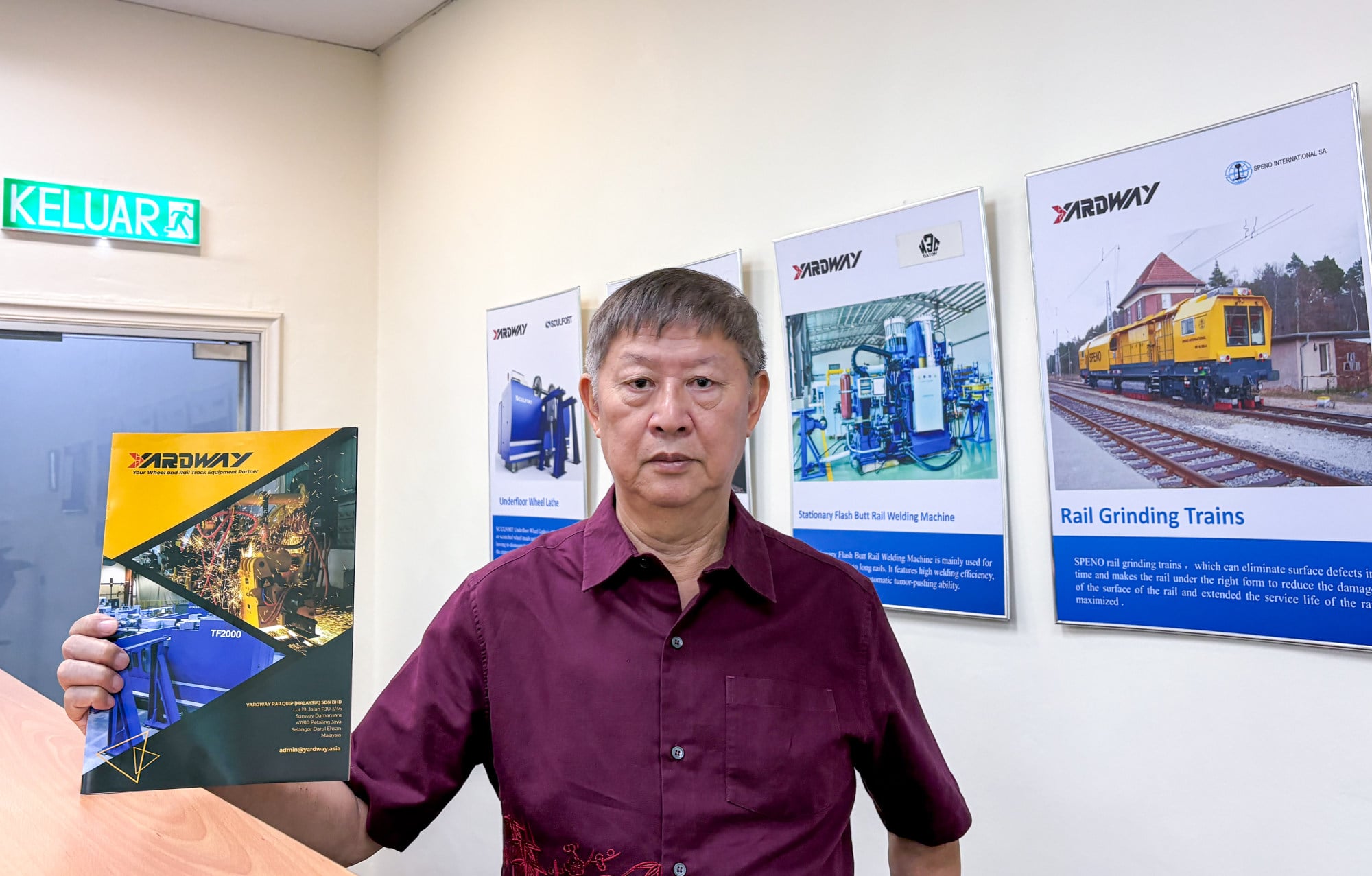
Yardway, a Hong Kong-based firm that makes equipment for wheel and track maintenance, established its regional hub in Malaysia during the Covid pandemic due to the country’s strategic advantages.
“The country’s [Malaysia] common law framework, clear regulatory environment, and strategic location are decisive factors to tap into the expanding Southeast Asian market,” chairman Alan Fong said.
He added that operating from the country had also allowed the firm to deliver rapid maintenance and overhaul services to neighbouring markets, such as Singapore.
But he also cautioned that entering the Malaysian market required a significant shift in corporate culture, moving away from high-pressure management towards adapting to local workplace norms.
Leveraging a multicultural workforce and respecting local traditions had proven crucial to the firm’s success in the region, he said.
To boost bilateral business relations, the Hong Kong Trade Development Council also held its flagship “Think Business, Think Hong Kong” event in Malaysia earlier this month. -- SOUTH CHINA MORNING POST



