As Hong Kong customs expands its investigation into Opatra London following complaints of high-pressure sales tactics involving purchases of up to HK$100,000 (US$12,800), former employees and customers of similar beauty chains say the aggressive sales playbook feels all too familiar.
Although the UK-based luxury beauty chain – originally incorporated as Oro Gold – has distanced itself from local distributor Sayles Retail following allegations of “deceptive sales practices”, and denied any connection with another business, Orogold, people familiar with the industry say both brands use strikingly similar tactics.
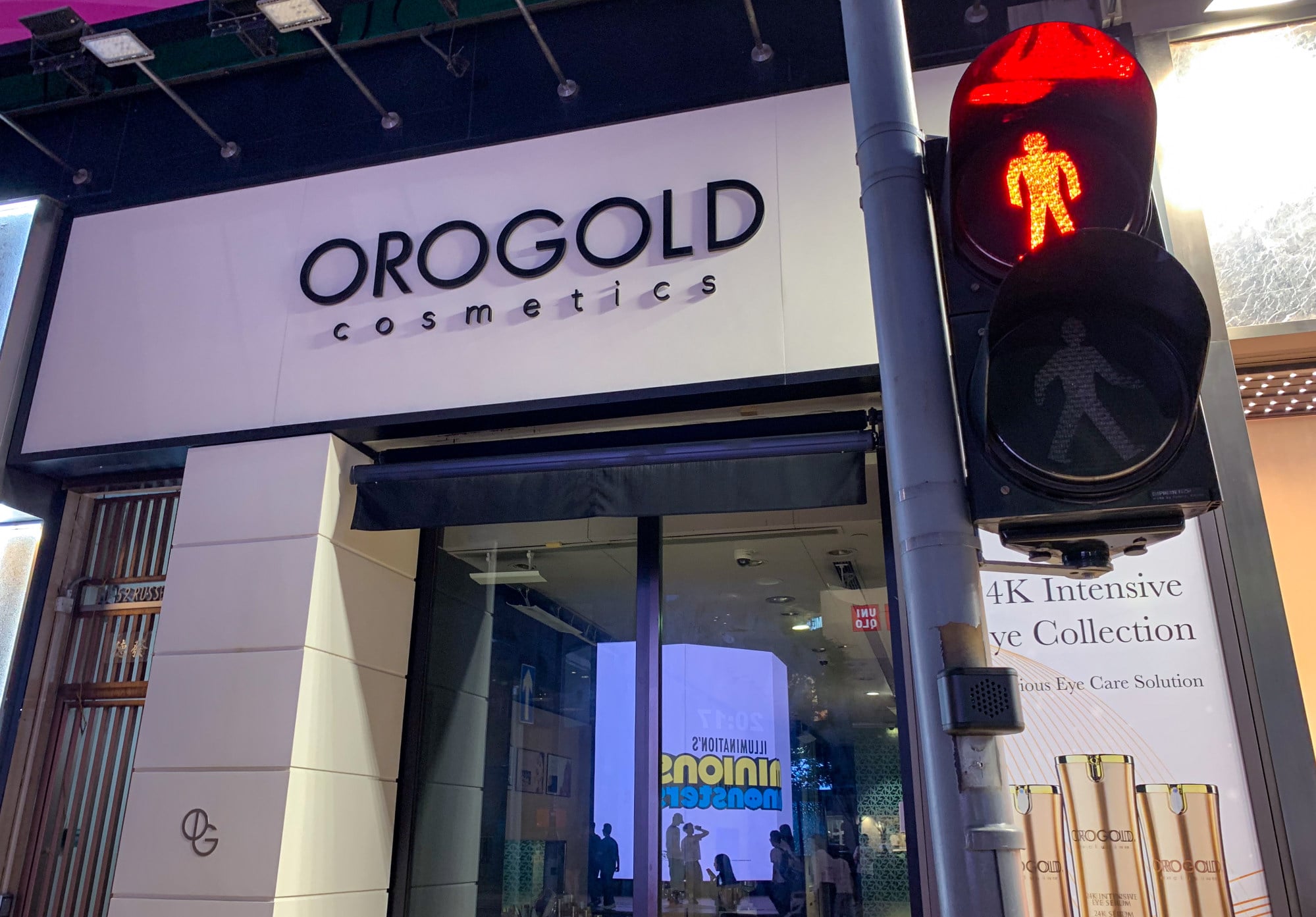
Ms Chan*, a former junior employee at Orogold, said she made about HK$30,000 a month bringing prospective buyers into the shop so senior staff could pitch them products.
She recalled that top sales representatives could earn six figures a month thanks to exceptionally high commission rates. But Chan said she resigned after less than a year due to the intense pressure.
“Staff were trained to identify individuals who were affluent, responsive to compliments and easily manipulated,” she said. “The goal was to secure the largest possible transaction during that single visit rather than relying on repeat business.”
Chan recalled an elderly woman in her sixties who spent an entire afternoon in the shop and ultimately spent HK$600,000.
She said staff relied on a deliberate script, which typically began by offering passers-by an eye cream sample near the shop entrance to demonstrate an instant lifting effect.
If a customer expressed interest, staff led them inside and pitched a gift set containing multiple items, while framing the eye cream as a bonus.
If the customer accepted, they were seated and greeted by store managers – often foreign nationals – who presented high-tier treatment packages while retaining the customer’s credit card.
To wrangle more hesitant customers, the manager would pretend to make a call to secure a “special offer”, while another colleague made a surprised face to help sell the act.
“Many were convinced that they had found a rare deal,” Chan said. “Staff would continue holding the credit cards to process additional transactions as they upsold step by step.”
When a customer attempted to leave, representatives would shift the conversation to compliments and flattering remarks to keep them in the shop.
Chan said the strategy also sought to prevent refund requests, while others agreed to the purchase out of fatigue.
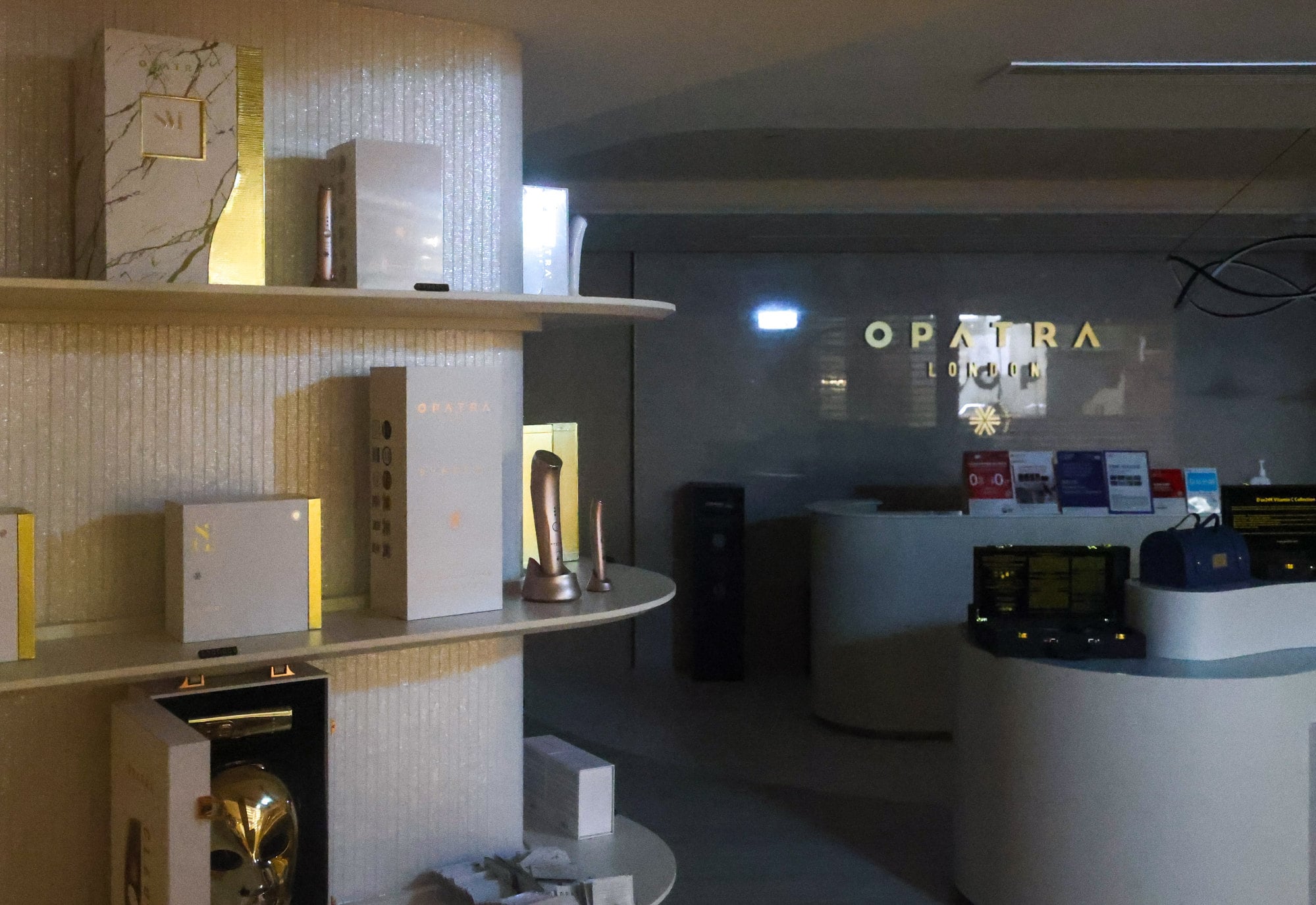
Such tactics have come under fire after Opatra London branches in Hong Kong, run by Sayles Retail, were accused of deceptive sales pitches.
Hong Kong customs on Tuesday raided a corporate secretarial office in Sheung Wan as part of an investigation into local outlets linked to Opatra London, following six complaints alleging high-pressure sales tactics involving sums of up to HK$100,000.
Customs officers detained two staff members from the local operations of Opatra London on Wednesday.
The spotlight has also fallen on Orogold, whose brand name is almost identical to Opatra London’s previously registered name.

UK Companies House records show that Opatra London was incorporated in 2010 as Oro Gold Limited before adopting its current name in 2013.
Opatra London’s sole director, Efraim Salhov, also served as a director of another entity, Oro Gold Cosmetics Limited, which was dissolved in 2013.
But Opatra London previously said it had no ownership of, control over, or commercial partnership with Orogold or any other brands mentioned in recent media coverage.
Orogold also denied any connection with Opatra London, saying it had filed a complaint with the privacy watchdog over false statements and the unauthorised online disclosure of personal information.
On the consumer side, Hongkongers such as Heidi Leung already have first-hand experience with these aggressive sales tactics.
She recalled the moment two years ago when her younger sister texted her in a panic after realising she had been misled into buying HK$49,800 worth of beauty products that were unsafe for pregnant women.
Just three months into her pregnancy and feeling insecure about her body image, the sister became a vulnerable target for sales representatives at Orogold’s shop in Sha Tin’s New Town Plaza.
Following multiple rounds of upselling, she and her husband were persuaded to make three separate purchases of goods the shop claimed were pregnancy-safe, including an eye cream and a device touted as preventing stretch marks.
“The staff repeatedly said the products were completely harmless. It looks like they resorted to every conceivable means to sell their products, regardless of the consequences,” said Leung, a customer service worker in her forties.
But the sister’s obstetrician later revealed the danger: the skincare contained retinol, which poses risks to fetal development, while the device’s manual explicitly prohibited use during pregnancy or breastfeeding.
According to chat records seen by the South China Morning Post, a staff member said no brand disclosed all of its ingredients and offered a complimentary facial in an effort to retain the sale after being confronted by the family.
When the family demanded a full refund for the unopened products, staff initially insisted the ingredients were suitable and claimed to have used them during pregnancy, but eventually agreed to a refund after several exchanges.
A medical check fortunately confirmed the small sample tested in-store had caused no harm to the baby, but the emotional burden on the family was immense.
“How could the mall continue signing leases with a business that used improper sales tactics and made false claims? If consumers, especially vulnerable ones, are not protected from these malpractices, we can hardly have confidence in the local retail market,” Leung said.
Hong Kong’s Trade Descriptions Ordinance, which regulates trade practices, lists “aggressive commercial practice” as an offence.
Such activities involve sales tactics that significantly or potentially impair an average consumer’s freedom of choice or conduct through the use of harassment, coercion or undue influence.
But the SCMP learned that if salespeople only used incessant verbal persuasion without any further action, and the consumer bought the product out of a wish to get out of the situation, it may not qualify as aggressive commercial practice.
However, each case would need to be assessed on its own merits.
In such cases, it could be argued that the customer still had the freedom to walk out of the shop door.
But practices such as snatching a consumer’s credit card to process payment or physical acts such as dragging a customer’s arm if they try to leave are covered by the offence.
The SCMP has contacted Asia Beauty Concepts, which manages Orogold, and the Consumer Council for comment.
*Name changed at interviewee’s request.
Additional reporting by Jess Ma -- SOUTH CHINA MORNIN POST