




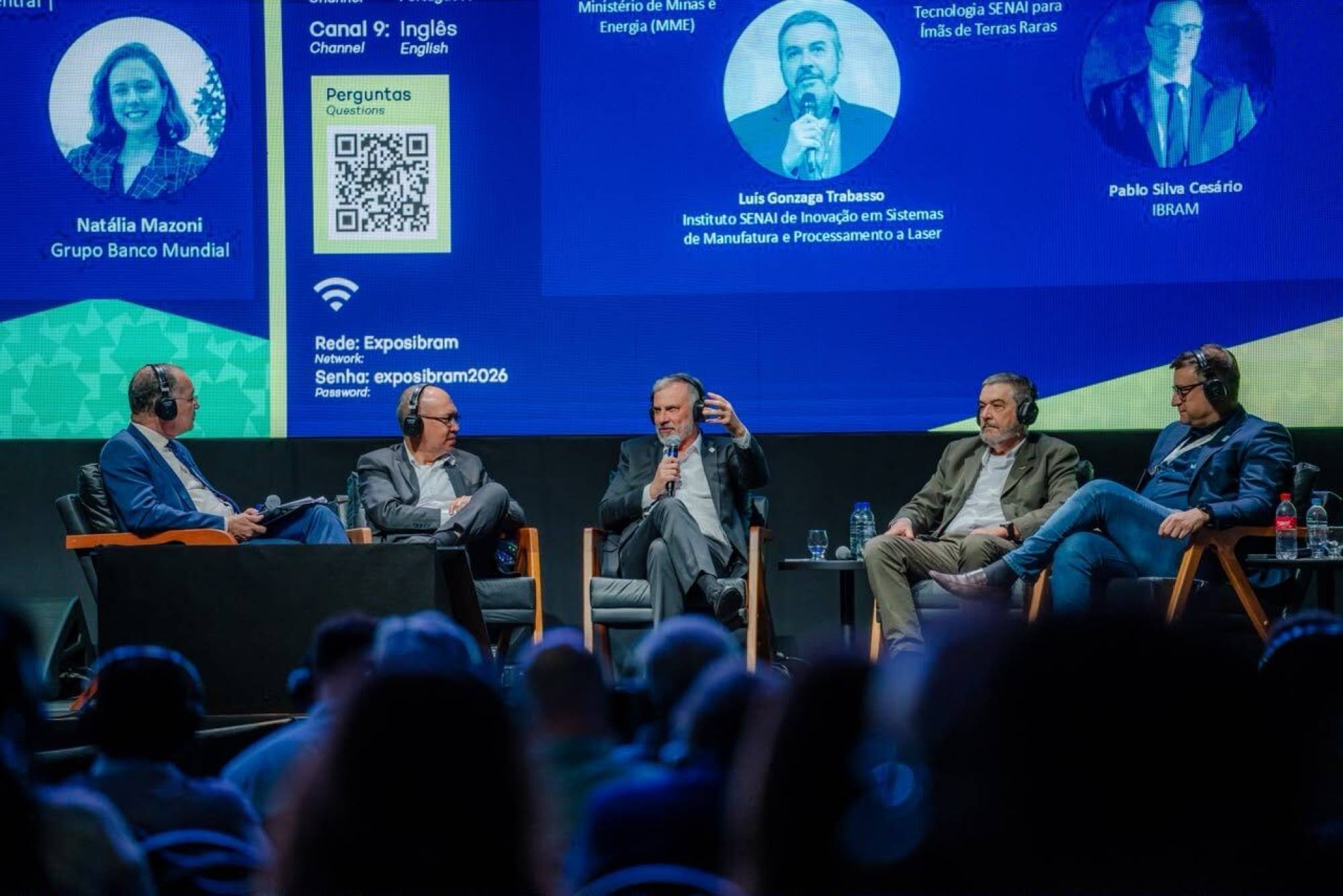
Brazil will not be able to make rare earth magnets from its own raw materials before 2032, the coordinator of the country’s main magnet pilot plant said on Wednesday, leaving China’s near monopoly on the technology intact for years to come.
Andre Luis Pimenta de Faria, who runs the plant for Senai, the research and training arm of Brazil’s national industry confederation, told a public policy panel at Exposibram, the country’s largest mining congress, that first batches could come by the end of 2028, but only using imported inputs.
“If we look at the full picture of everything needed to produce a permanent magnet, we are talking about a more distant horizon, maybe 2032–2035,” Faria said.
The plant runs on Asian process technology chosen when it was designed, and buys abroad the processed ore it feeds into its furnaces, Faria said.
Brazil also makes no electrolytic iron, a high-purity input very different from the ore it ships overseas, despite being one of the world’s two largest iron ore exporters.
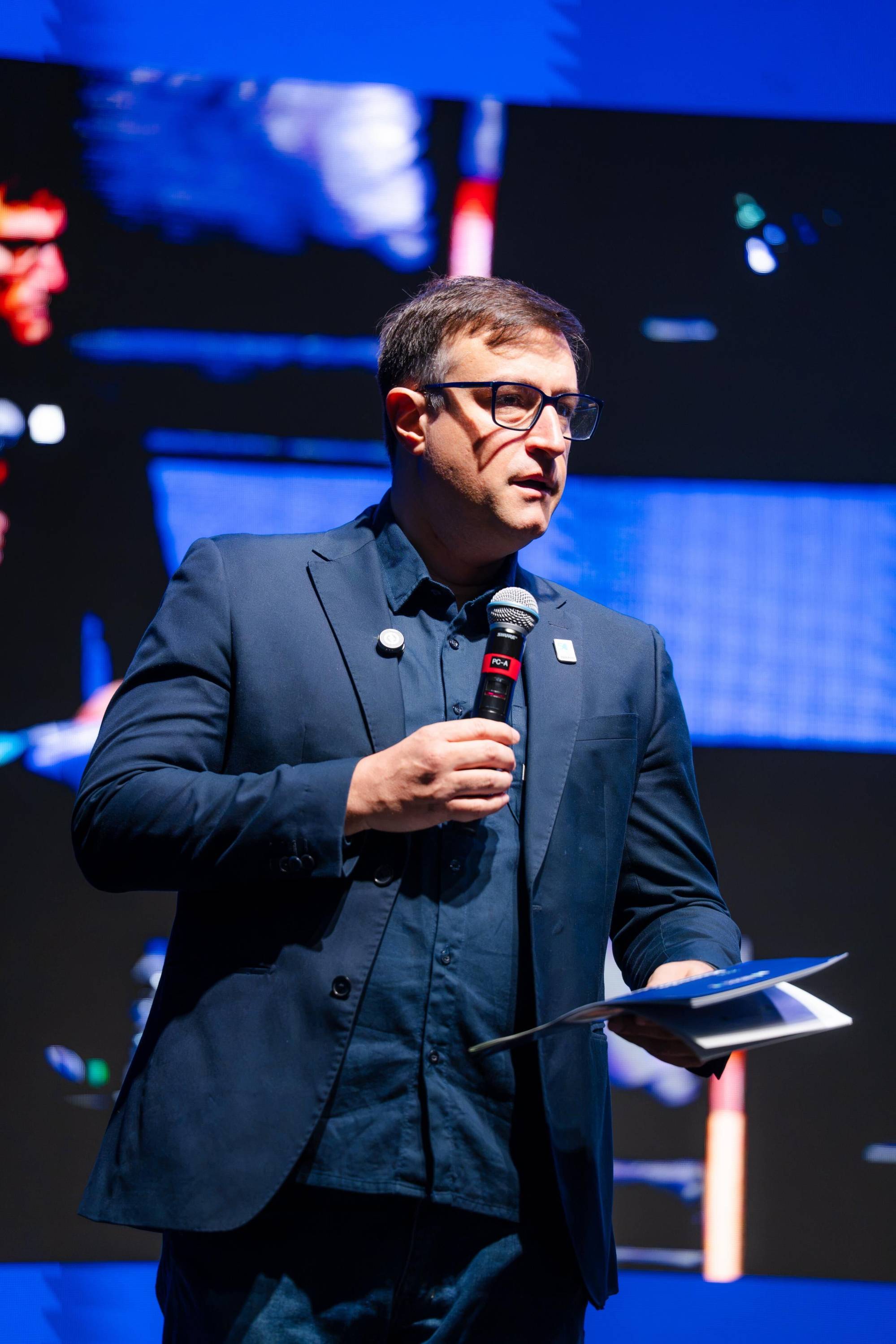
Pablo Cesario, chief executive of the Brazilian Mining Institute, called even that timetable optimistic and put the average gap between a proven reserve and first production in Brazil at 17.2 years.
“This is a 10 or 15-year game. And in those 10 or 15 years the others are running too,” he said.
The contest over Brazilian ore
Those timetables matter because permanent magnets made from rare earths drive the motors in electric vehicles, wind turbines, industrial robots and precision weapons, and China produces roughly 90 per cent of the world’s rare earth permanent magnets.
In April 2025, Beijing imposed export controls on seven medium and heavy rare earths and the magnets made with them, disrupting supply to carmakers in Europe, the United States and Asia.
Brazil holds the world’s second largest rare earth reserves after China, and the contest over who gets access to them has already reached the presidential campaign.
Ronaldo Caiado, then governor of the state of Goias and now a presidential candidate, signed a critical minerals memorandum with Washington in March, and President Luiz Inacio Lula da Silva accused him and other opposition figures of preparing to “sell Brazil”.
The state is home to Serra Verde, which says it is the only miner outside Asia producing the full set of magnet rare earths at scale, and in April the American company USA Rare Earth agreed to buy it for US$2.8 billion.
The transaction could redirect the mine’s output from Chinese refiners to American ones.
That contest is a fight over ore rather than over industry, because Brazil refines almost nothing of what it mines and has no commercial magnet plant of its own.
Asked by the South China Morning Post whether Brazil could diversify its partners while Beijing controls the processing technology, and whether the alternative was alignment with China, Cesario said he had put that question directly to Chinese officials.
“They are open to us. They do not see us as enemies, they see us as partners,” he said.
Faria added the export restrictions were a strategy Brazil had to work around rather than protest against.
“We can kick and scream, we can cry, but it is a strategy of the Chinese government,” he said, arguing the disruption had pushed manufacturers worldwide to look for suppliers outside China.
A bill stuck in the Senate
Brazil has no legal framework for converting any of that demand into binding contracts.
The bill written to supply one has been stuck since May, when the lower house approved it and sent it to the Senate, where it stalled amid friction between Lula and Senate president Davi Alcolumbre. Senators are expected to take it up during a week of priority votes starting on Monday.
If approved, this legislation would create a national critical minerals policy and a fund to guarantee financing for mining projects, but the fight is over a third element, a council attached to the presidency.
Mining companies say the proposed council would have a say over offtake agreements – the long-term supply contracts that underpin mine financing – and over changes in company ownership. Cesario said that leaves too much discretion in the hands of the executive. Mining companies say the proposed council would have a say over offtake agreements
“If we scare off foreign investors, or any other investor, the sector locks up,” Cesario said.
Those powers would land hardest on Chinese companies, which have been taking stakes in Brazilian lithium and rare earth projects. If the council carries them, Brasilia would hold a veto over supply deals and over future acquisitions of the sort agreed at Serra Verde.
Where the industry fears too much state control, the foreign ministry complains of too little direction.
Mauricio Lyrio, its secretary for climate, energy and environment, told the panel in a recorded message that Brazil faced “almost a universal courting” from countries seeking rare earth partnerships, and that it had no framework for deciding which offers to accept.
Until it has one, Lyrio said, Brazil should “pick the ideal partner for each individual mineral rather than react to proposals from abroad”, citing what he called the country’s ecumenical diplomatic tradition.
That approach is already being tested away from both Washington and Beijing.
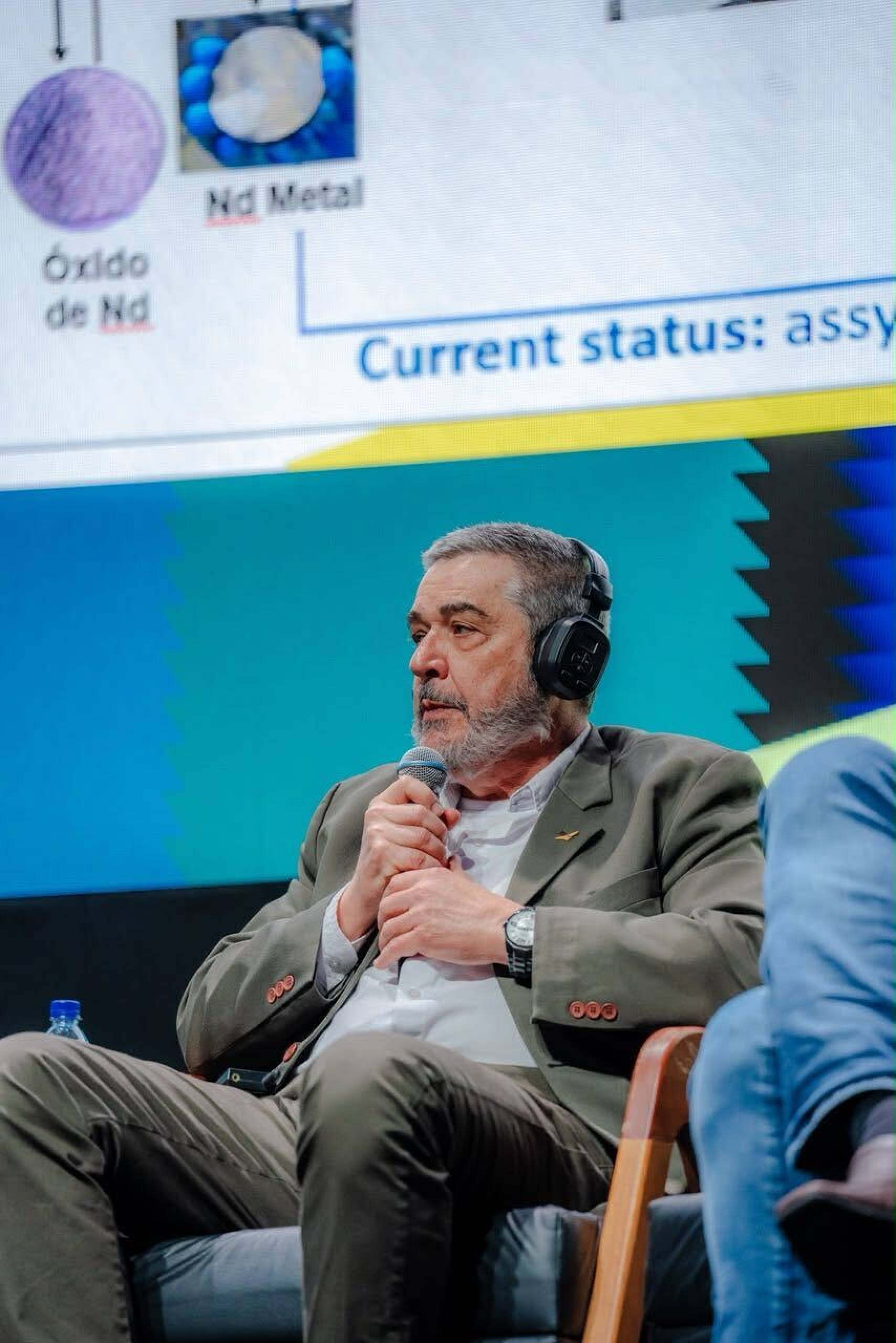
Luis Gonzaga Trabasso, who coordinates Magbras – a magnet project involving 28 companies and seven research institutes – said the group was bidding into a European raw materials partnership programme, with talks under way with Germany, Sweden, Switzerland and Norway.
Jorge Boeira, an analyst at the Brazilian Industrial Development Agency, said none of those routes changes the underlying arithmetic, because the gap Brazil is really trying to close is one of planning time.
Beijing “set up a government office dedicated to rare earths in 1975, decades before anyone treated the sector as strategic”, Boeira said.
“They had 50 years to build the chain they dominate today, in mining, in refining and downstream,” the analyst added.
Faria borrowed that same date to place Brazil on the clock. “We are setting up the framework now because we know we have potential,” he said. -- SOUTH CHINA MORNING POST


