In Malaysia, the tanjak is more than just headwear – it is a symbol of heritage, status and identity.
Universiti Teknologi Mara’s (UiTM) Faculty of Film, Theatre and Animation lecturer Nur Afifi Mohamed Taib, 48, says each Malaysian state has its own distinct tanjak style, often associated with ro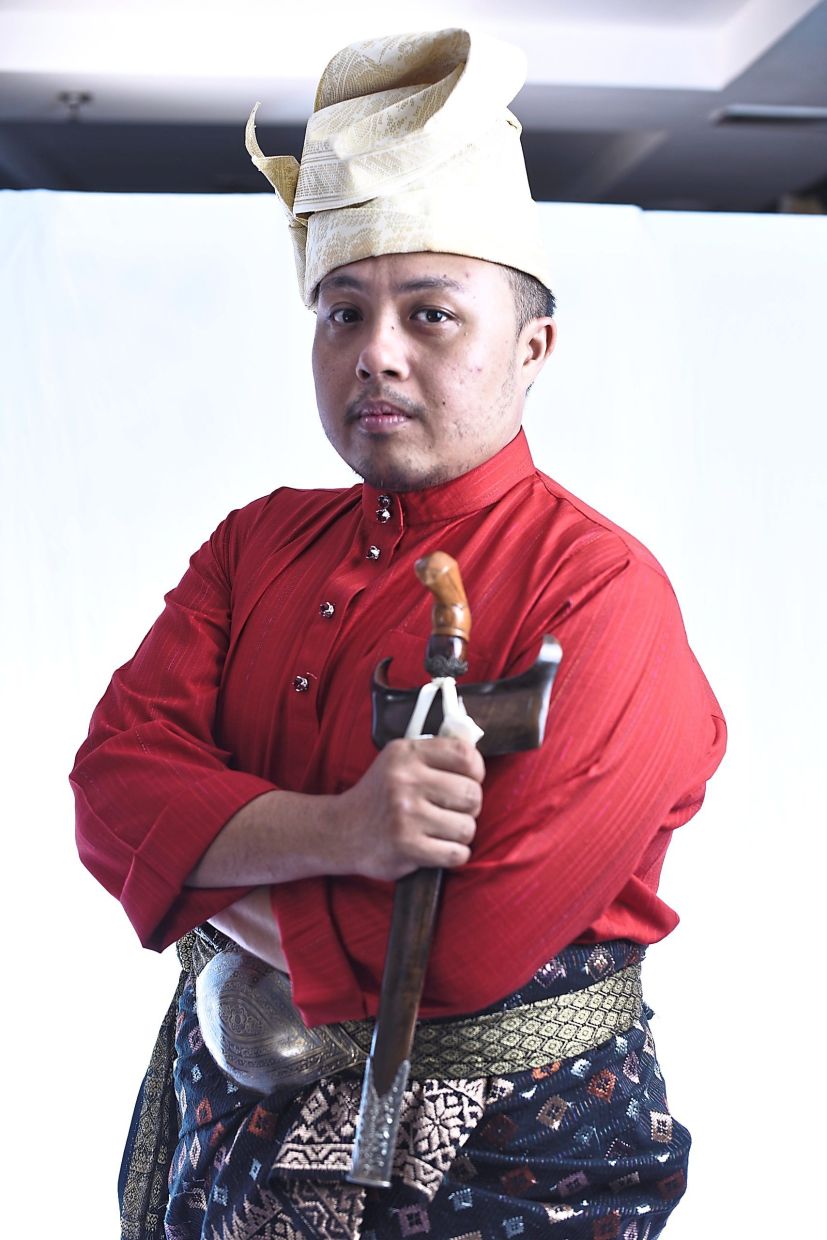
“In Perak, Negri Sembilan, Kelantan, Selangor, Kedah and Terengganu, the palace heads wear unique tanjaks as part of their ceremonial attire. Their designs serve as a mark of identity, differentiating one state from another,” says Nur Afifi during an interview in Shah Alam.
Traditionally, the tanjak falls under the broader category of destar, which is the general term for Malay head adornments.
Tanjak designs also hold hidden histories from the past. The choice of tanjak for commoners often follows what is worn by royalty, particularly during weddings.
“For a bridegroom, wearing a tanjak turns him into a ‘raja sehari’, or ‘king for a day’,” Nur Afifi says.
He adds that the tanjak is derived from the folding of a square cloth, each corner representing the four corners of the earth. When folded into two, it resembles a mountain, a significant symbol in Malay aesthetics and craft. Then, it is further folded into soft sculptures inspired by the surrounding flora and fauna, such as ayam patah kepak (chicken with a broken wing) or helang menyusur angin (eagle gliding with the wind).
“Classic Malay literature, like Hikayat Hang Tuah, also mentions the destar being folded or ‘dikarang’ (crafted), indicating that the art of tanjak tying has existed for centuries.”
Over time, the craft has incorporated modern techniques, like using interfacing or fabric stiffeners, to maintain the shape and make the headgear last longer.
Nur Afifi says songket remains the preferred fabric, particularly for headdresses used by royalty. Known as ‘raja segala kain’ or ‘king of fabrics’, the songket is valued for its intricate woven patterns and the skill involved in its creation.
“Historically, in Terengganu, kain tenunan (woven material) was a household skill, and both men and women were adept in handwoven fabrics such as kain limar (a type of traditional Malay handwoven fabric).
“Today, machine-made songket makes the tanjak more accessible to the public while still respecting traditional concepts.
“Other fabrics, such as kain Bugis or different types of tenunan, can also be used, but songket is the preferred choice for its elegance and heritage,” he adds.
Seeing a revival
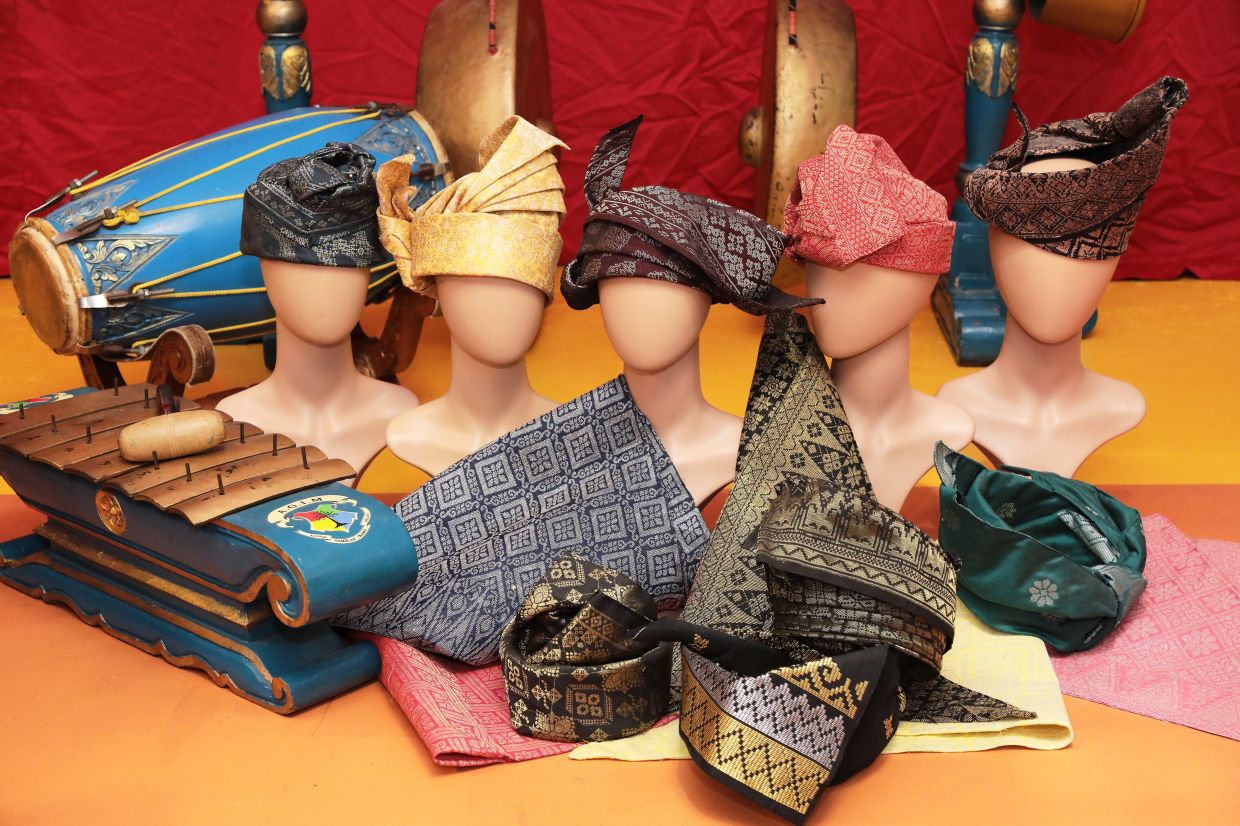
The classic tanjak style dendam tak sudah is worn by Negri Sembilan royalty. Other well-known styles include solok timbo, also from Negri Sembilan, which is simple and practical, and balung raja, (crest of the king), a graceful style with a tail fold that is especially popular at weddings.
Interest in the tanjak has seen a resurgence in recent years, especially among younger Malaysians.
Nur Afifi notes that social media has played a big role in this revival.
“Thirteen years ago, non-governmental organisations began promoting the tanjak, and now platforms like Instagram and TikTok allow tutorials and discussions about its folds, fabrics and history. The youth are discovering the tanjak for both aesthetic purposes and cultural understanding.”
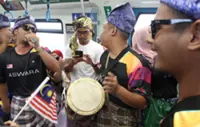
Programmes such as Keretapi Sarong – a Malaysia Day-themed mass flash mob event – and school or university cultural weeks have further encouraged young people to wear traditional attire, including the tanjak.
“Through these events, participants research the philosophy behind each style, dress up and learn the cultural significance. It’s a way to express identity while preserving tradition,” he says.
Nur Afifi himself organised workshops and conducted masterclasses, especially through the Malaysia Fashion Creativity Awards, to give appreciation and pass on the knowledge of the proper way to wear the tanjak to participants.
“Nowadays, some people wear tanjak purely as a fashion statement, but it’s important to respect its history.
“Understanding its philosophy, symbolism and etiquette ensures the heritage continues,” he explains.
Looking forward, Nur Afifi hopes the tanjak will remain a living symbol of Malaysian identity.
“As a constitutional monarchy, our Yang di-Pertuan Agong has ceremonial attire that includes a tanjak. By sharing knowledge about its meaning and history, we can strengthen the understanding and appreciation of our heritage.
“For future generations, the tanjak should not just be beautiful – it should tell a story of culture, identity and artistry.”
Of symbolism, artistry and history
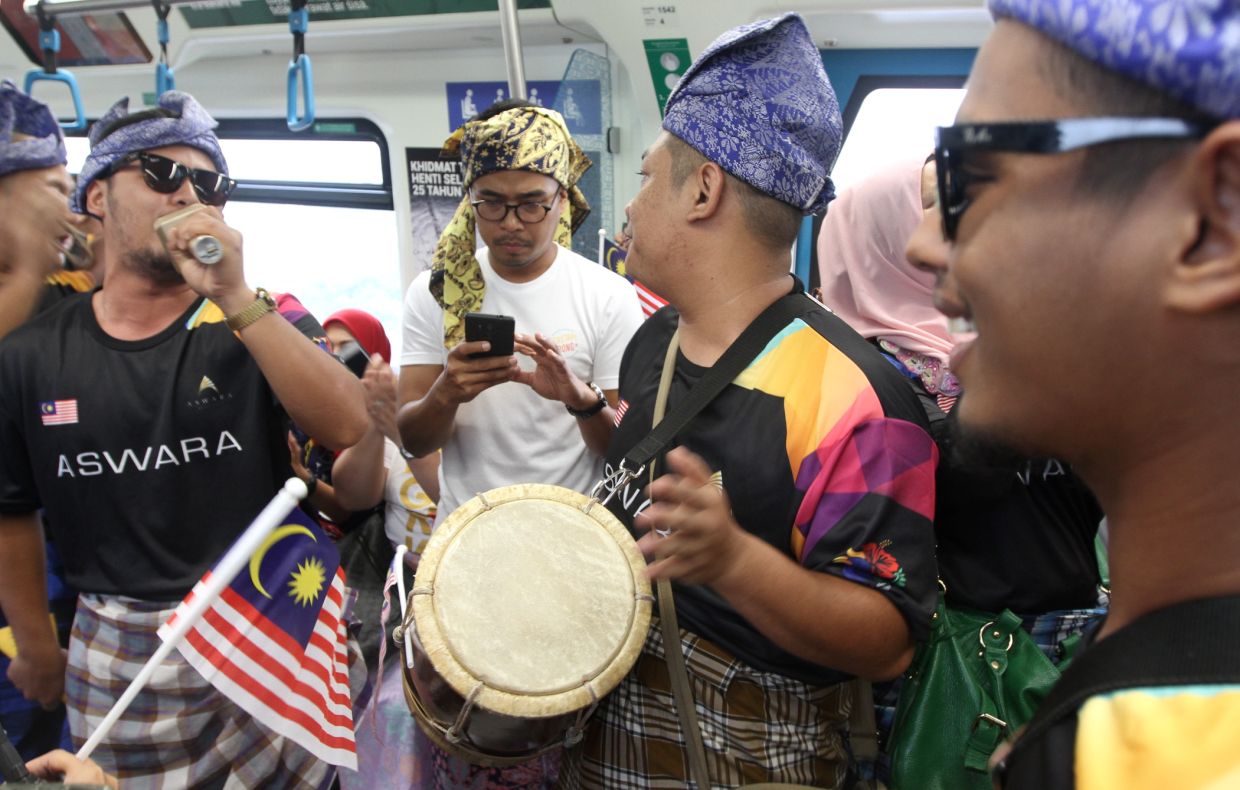
Proudly donning the tanjak, Malaysians celebrate heritage at flash mob event, Keretapi Sarong. Photo: The Star/Samuel Ong
‘The tanjak is more than attire – it is a living symbol of Malay identity, carrying history, philosophy and artistry in every fold,’ says Nur Afifi. Photo: Nur Afifi Mohamad Taib
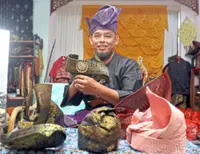
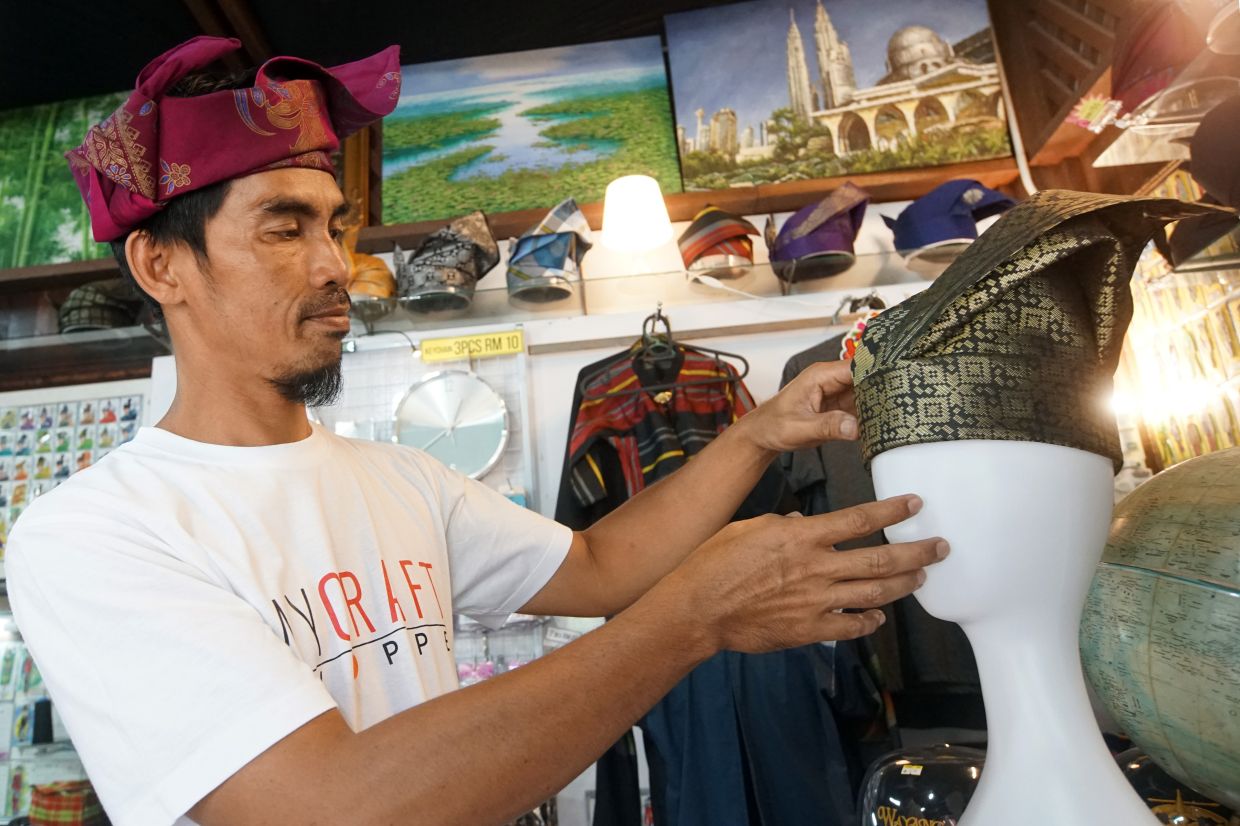
Mohd Iskandar Abd Rahim, 45, adjusting a traditional tanjak at his shop in Johor Baru. Photo: The Star/Thomas Yong
Once worn by Malay warriors and nobility, the tanjak remains a timeless emblem of tradition. Photo: The Star/Yap Chee Hong