


THE tradition of sitting cross-legged and sharing meals with family is fading in modern Malay households, sparking a sense of nostalgia among those who grew up with it.
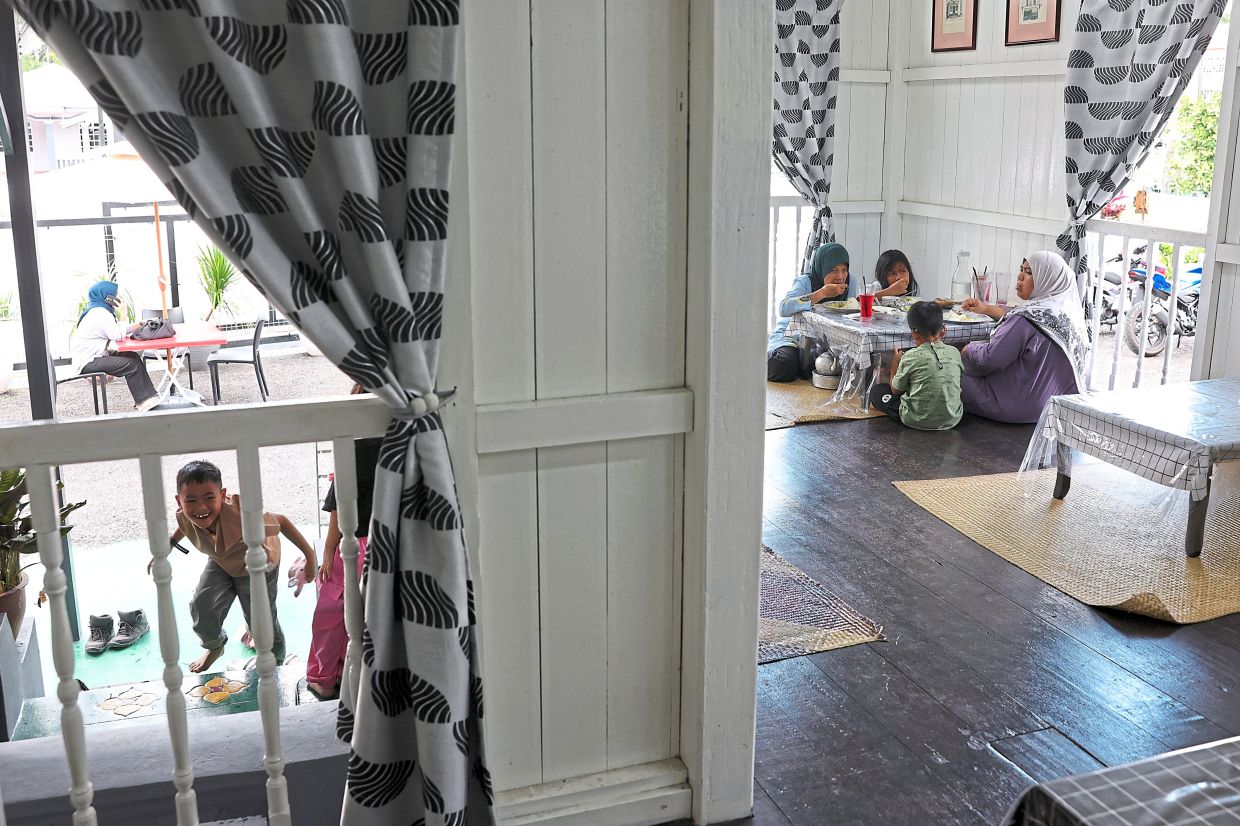
Rumah Putih Makan Berjambar in Seremban, Negri Sembilan, offers a return to these cherished memories by serving traditional dishes from the state in communal trays, known as hidang dulang, in a setting reminiscent of a traditional Malay village home.
Its owner, Asmah Osman, 59, wanted to offer something different after noticing the abundance of hipster cafes and modern-themed restaurants in the city.
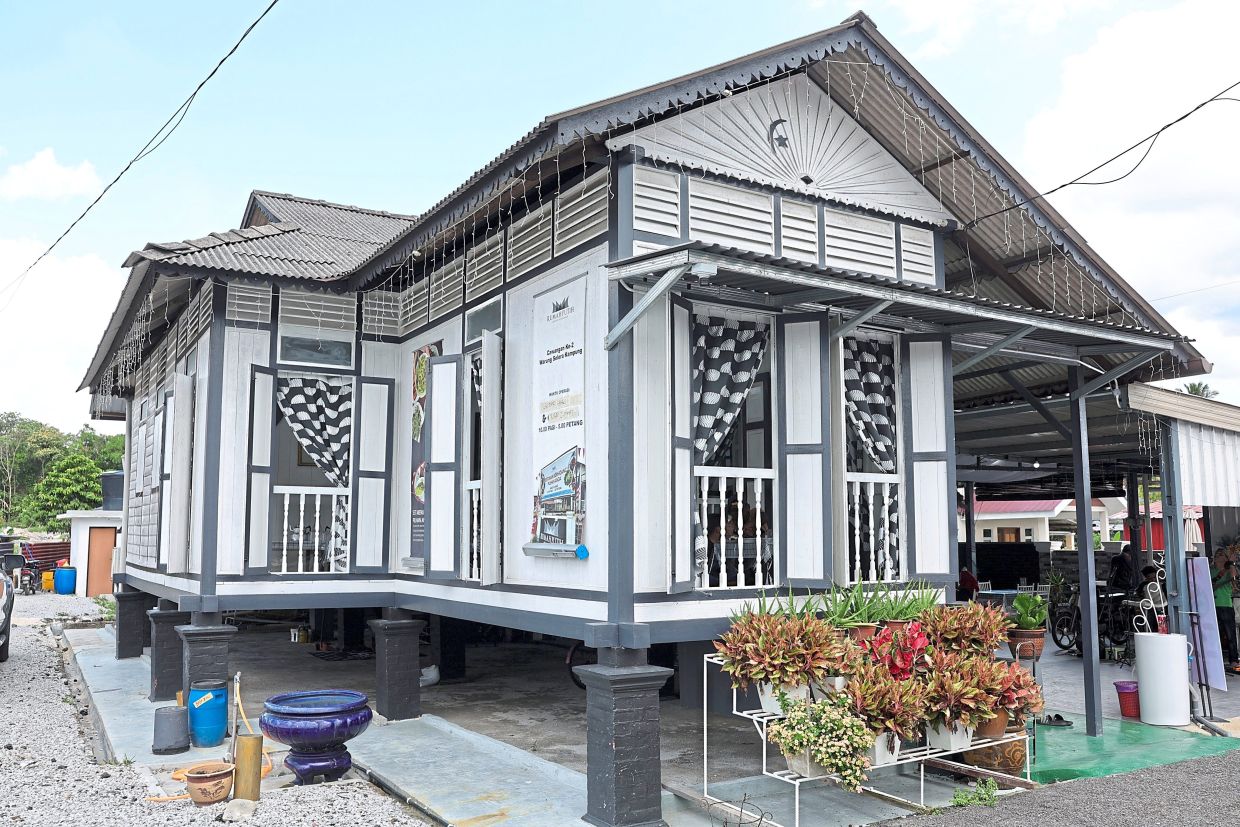
“This eatery was actually my late aunt’s house, which was left to her children. But since they live far away, the house had been abandoned for about 20 years,” she told Bernama.
“Rather than letting it go to waste, especially since the structure is still sturdy, I asked my cousins for permission to turn their mother’s home into a homestay.
“However, due to certain factors, we ultimately decided to convert it into a restaurant instead.”
Asmah chose the makan berjambar concept because it’s rarely embraced by food entrepreneurs.
“There are many restaurants serving traditional village-style dishes here, but I don’t know of any that offer tray dining like we do,” she said, adding that they also provide table seating to accommodate customer preferences.
Since opening on Aug 31 last year, the eatery in Paroi has received positive feedback from locals and visitors beyond Negri Sembilan.
“We initially operated only on weekends, but after receiving such encouraging support, we decided to open daily except on Fridays starting last month,” said Asmah.
She said the restaurant would also be open throughout Ramadan for customers to break their fast.
Asmah, who has four sons, offers more than 30 types of traditional Negri dishes at the restaurant.
The specialities include daging salai masak lemak cili api (smoked beef in spicy coconut gravy), daging jangek (dish made from cow skin), and tempoyak daun kayu (fermented durian with mixed wild leaves).
All the dishes in the restaurant are prepared by her third son, Muhamad Nur Fikry Sidek, 27.
Regarding future plans, Asmah, who also owns another eatery with a conventional dining concept, said she intended to expand the makan berjambar restaurant concept to other districts in the state.
Meanwhile, customer Hanida Harun, 45, who visited with her family from Kuala Lumpur, described the cross-legged dining and sharing tray meals as a unique and refreshing experience.
“We love traditional village-style food, so travelling from Kuala Lumpur was well-worth it to enjoy a meal in a setting that feels just like a kampung.
“They offer a wide variety of dishes,” she said, while praising the restaurant’s classic decor.


