


LAUNCHED with great fanfare in 2006, Iskandar Malaysia has been instrumental in transforming southern Johor into an economic powerhouse over the past 19 years.
With the establishment of the Johor-Singapore Special Economic Zone (JS-SEZ), NELSON BENJAMIN speaks with Iskandar Regional Development Authority (Irda) chief executive officer Datuk Mohd Noorazam Osman about its continued relevance and the new narrative for the growth corridor.
You took over as Irda’s chief executive officer on Jan 14 this year. Can you share more about your background and your plans for the organisation?
Previously, I was mayor of the Johor Baru City Council (MBJB). When the senior leadership offered me the opportunity to lead Irda, I took it as a career progression from managing a city to managing a region. Irda’s scope covers an area managed by five local councils: MBJB, Iskandar Puteri City Council (MBIP), Pasir Gudang City Council (MBPG), Kulai Municipal Council (MPKU) and Pontian Municipal Council (MPP).
I have been in the Johor civil service for the past 34 years and served in various positions including in the land office, as a private secretary to former mentri besar Tan Sri Abdul Ghani Othman, in Johor’s economic planning unit (Upen), twice as district officer of Kota Tinggi and Muar, twice as chief executive officer of Sukma Malaysia and Kumpulan Prasarana Rakyat Johor, a state government-linked company, and finally as mayor.
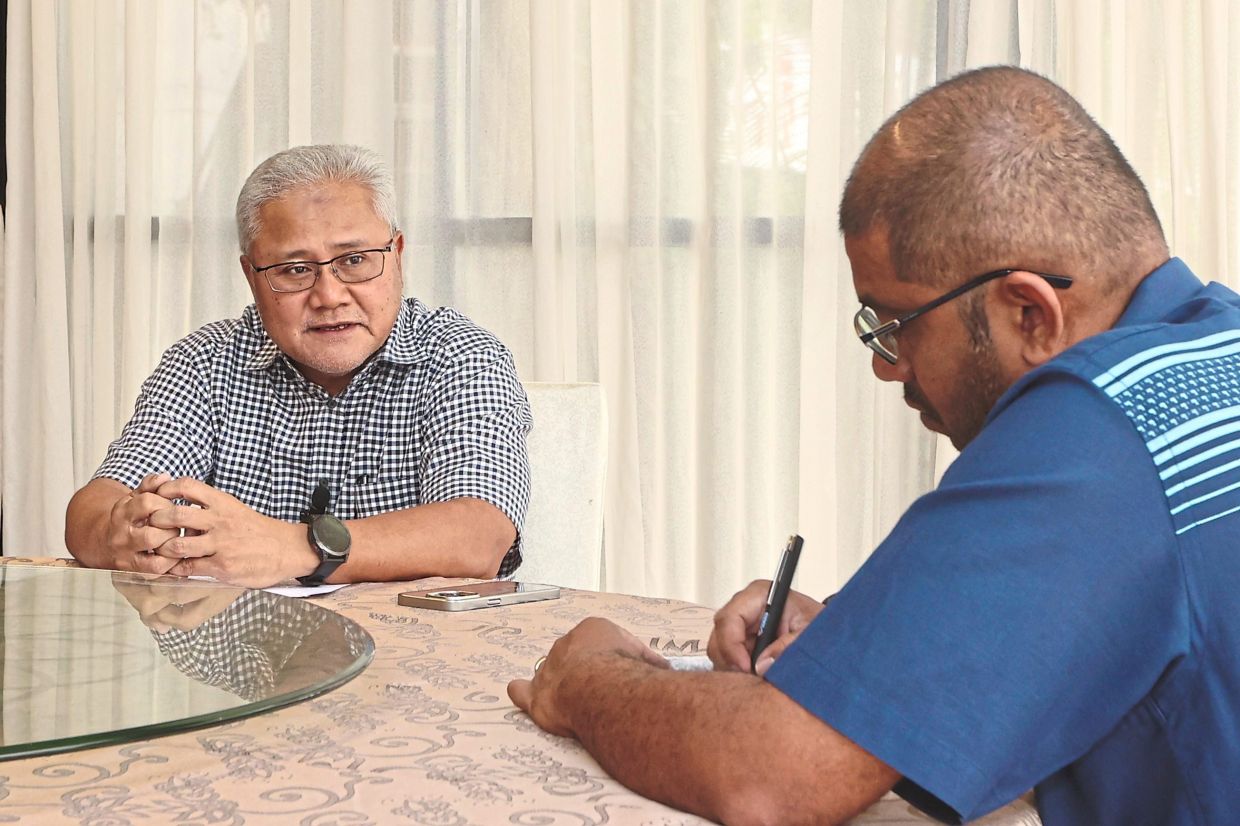
If you look at my career progression, I have experience in planning, worked on the ground as a district officer and have experience in GLCs. I have also been involved in sports. With my federal role at Irda, I feel that I have come full circle in terms of being a civil servant.
Serving in Irda is a new experience for me, particularly in terms of acting as a bridge between the state and federal governments.
I was involved in the initial formation of Iskandar Malaysia during my time in Upen, when it was still known as the South Johor Economic Region. I was part of the team that helped plan the agenda and represented the state, working closely with the federal government to shape the Iskandar Malaysia initiative.
Thus, I am happy to be given an opportunity to be part of JS-SEZ, which symbolises a strong commitment between two countries to develop an economic zone.
How would you describe your leadership style at Irda and what are your hopes for Iskandar Malaysia in the next three to five years?
Next year, Iskandar Malaysia will reach an important milestone – its 20th anniversary (2006–2026). Over the years, some have said that Irda has not fully achieved its original goals. However, I believe they may not fully understand the value Irda has added. We will continue to enhance the work of the state, local authorities and district offices at the ground level.
With this new narrative and the establishment of the JS-SEZ, I believe Irda remains relevant and plays a crucial role in facilitating investment. I use the word “facilitate” rather than “promote” as promotion is not our core function.
Promotional activities fall under the Malaysian Investment Development Authority (Mida) and the Ministry of Investment, Trade and Industry while in Johor, they are handled by Invest Johor.
Irda is here to facilitate investments by providing guidance in obtaining approvals. Ease of doing business is a key agenda we must fulfil.
Investment approvals involve multiple levels of government – federal, state, local authorities and sometimes agencies. Our role is to coordinate and ensure compliance with the standards and key performance indicators set by these agencies, such as the Johor Super Lanes, which aim to facilitate certain investments.
This coordination is crucial, and we hope Irda can effectively engage federal agencies to coordinate and prioritise the approvals needed for the JS-SEZ.
Do you think Irda has achieved all of its goals so far?
I would say that while we have not fully achieved everything, we have played our part in further enhancing this economic corridor. I am confident that we can achieve more by working closely with other agencies and developing pragmatic plans to translate initiatives into tangible outcomes at the ground level.
People often ask us what we can gain from Iskandar Malaysia or the JS-SEZ. In reality, the JS-SEZ is a journey. If you compare us to places like Hong Kong and Shenzhen, it took them about 40 years to reach their current status.
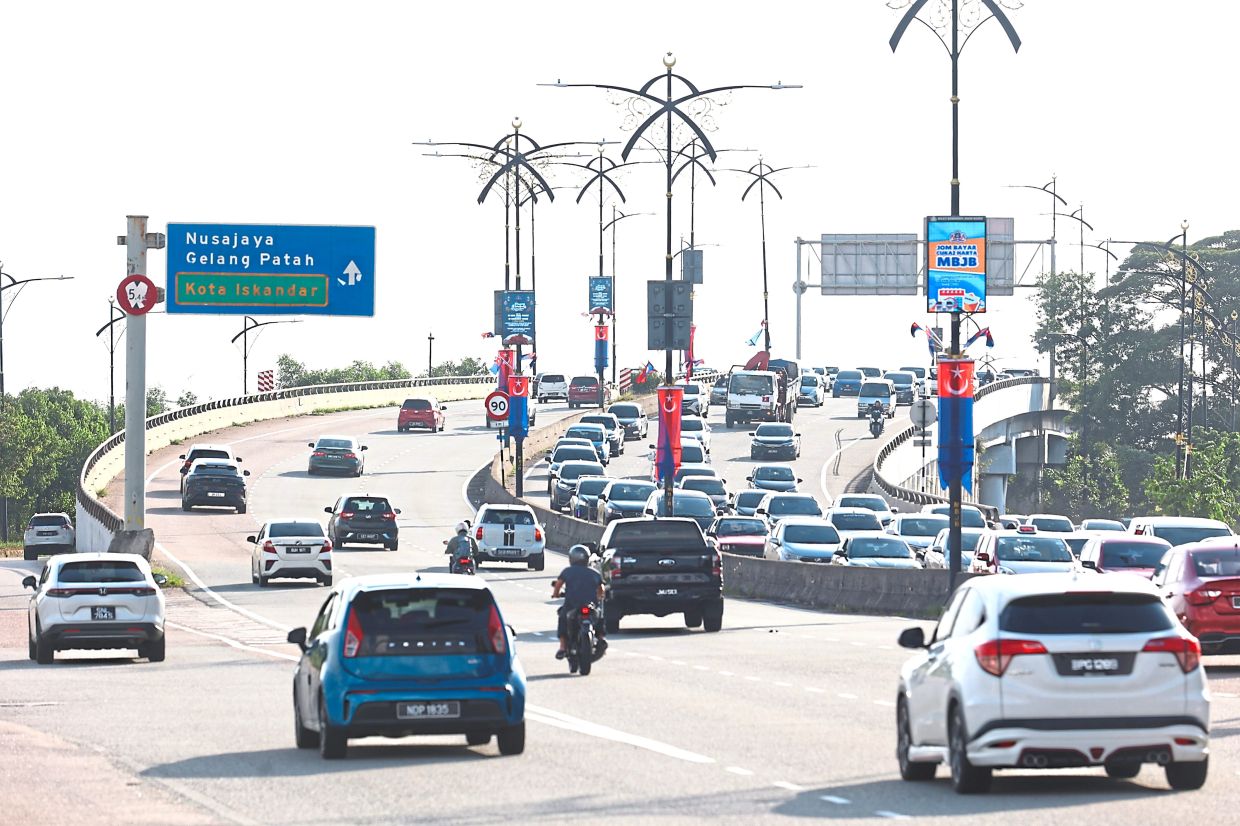
We are somewhat unique as we are also close to Singapore, another developed country. However, we must be prepared not only with the necessary infrastructure and enablers but also with the right small and medium enterprises to participate in the global supply chain.
Singapore is a global hub for many multinational corporations. If they start moving this way due to comparative advantages in terms of cost and ease of doing business, I am confident that we will see an influx of companies coming to the JS-SEZ.
We hope to facilitate Malaysian companies in becoming part of that supply chain as well. Look at big names such as BYD and Huawei, both of which originated in Shenzhen. This is why there is a strong effort to grow local companies. I believe this is where political will comes into play, allowing us to explore how this can work.
Past CEOs of Irda came from corporate Malaysia or outside Johor, and there was a perception that they lacked a deep understanding of Johor’s issues. As a senior Johor Civil Service (JCS) officer leading Irda, how are you running it differently? Are there any particular issues close to your heart that you aim to address as a Johorean?
My predecessor, Datuk Dr Badrul Hisham Kassim, was also from JCS. As a Johorean, I want to see Irda’s agenda and projects become more localised so that locals can truly experience the benefits. Public awareness is crucial; unfortunately, many people are unaware of Irda’s role.
Irda is a federal authority empowered to coordinate and facilitate, not approve, projects. Therefore, approvals must still be obtained from local councils or agencies.
That’s where we step in to facilitate, working across agency boundaries to improve the ease of doing business.
We also help to add more value to government processes. For instance, in the case of Smart City initiatives, when I was the mayor, I established a command centre in MBJB to enhance operations. In the future, Irda will play a role in conducting analytics.
While I am not planning to create a command centre here, the data we gather from the local councils will enable us to perform analytics for data crunching and decision-making purposes. This way, we can assist the councils without duplicating efforts.
What major projects have been implemented in Iskandar Malaysia?
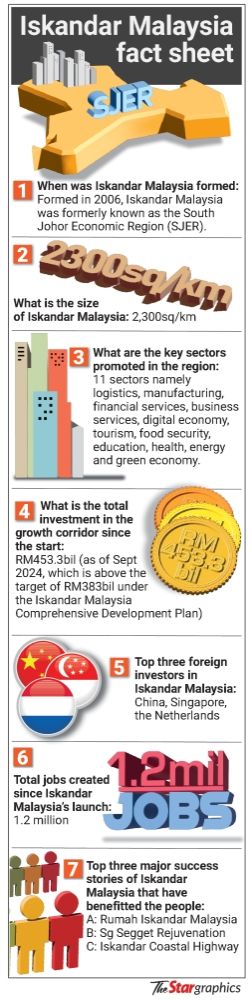
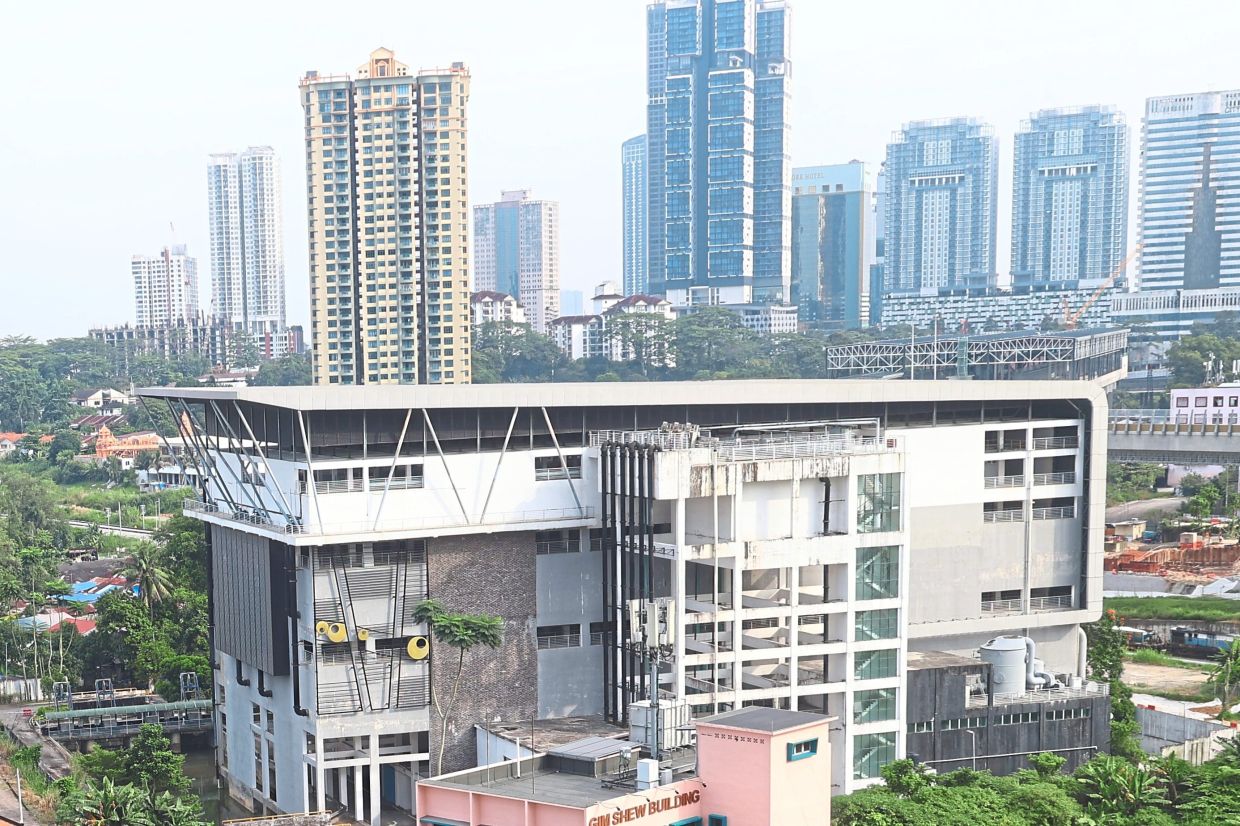
Major projects include the 40km Iskandar Coastal Road, which connects Johor Baru to Kota Iskandar, and the rehabilitation and upgrading of Sungai Segget, which involved constructing a sewage treatment plant.
We have also implemented flood mitigation measures along Sungai Tebrau and beautification works along Sungai Skudai. Additionally, we have built transit homes known as Rumah Iskandar, providing affordable rentals for up to 10 years, particularly for job seekers.
Funds have also been allocated to support the Orang Asli community and provide technical and vocational education and training for youths. We have also developed basic infrastructure to promote eco-tourism.
With 19 years of milestones, what is next for Irda?
Our current focus is the JS-SEZ. The Economy Ministry has announced a RM5bil allocation under the 13th Malaysia Plan for the JS-SEZ. Our job is to channel these funds and plan their allocation effectively.
Our top priority will be to invest in vital infrastructure and enablers. We aim to build infrastructure for industries and ensure that locals benefit from incoming investments.
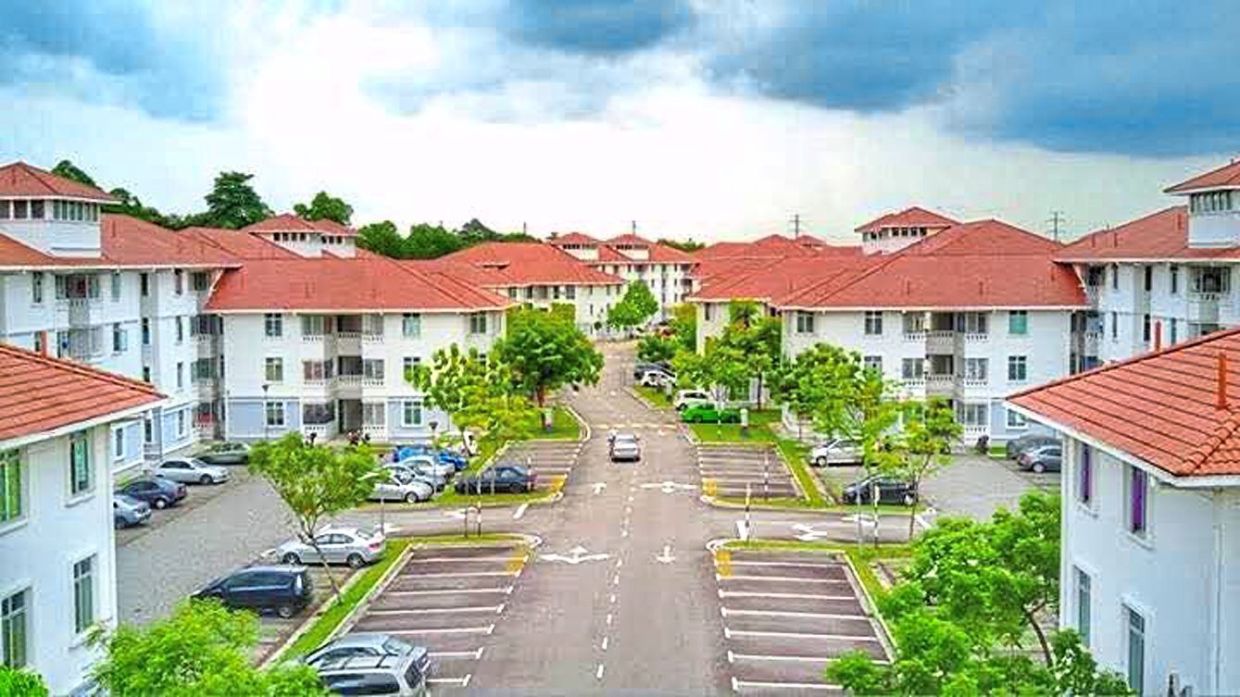
Among other initiatives, we will study traffic dispersal issues within the JS-SEZ, such as adding more feeder bus services or park-and-ride facilities. We will also look at flood mitigation measures since we have had floods at industrial parks due to drainage issues.
Irda regularly releases figures on investments flowing into the growth corridor. What is the latest investment figure, and how does Irda monitor these investments to ensure they are implemented effectively and benefit the people?
Based on the figures from agencies such as Mida, cumulative committed investment recorded as of September 2024 is RM453.3bil. This surpassed the initial target of RM383bil for 2025 as per our Comprehensive Development Plan. Moving forward, as part of the information consolidation exercise, our investment figures will be based on Mida’s announcement.
With the JS-SEZ, the narrative will propel the corridor’s growth for the next 10 years based on the targets set by Malaysia and Singapore. One day, we hope to create an area like the Klang Valley, known as Greater Johor Baru. Therefore, we must focus on how to get everyone on the same page and establish a unified system for operations, particularly in public services accessible through a single platform.
I would like to see Irda play a role in guiding cooperation to create the agenda for Greater Johor Baru. The ultimate vision is to develop something akin to Greater London.
Retaining talent is important in Iskandar Malaysia. How can this issue be addressed?
The difference between places like Hong Kong and Shenzhen, and Johor and Singapore, lies in the currency. One has a small difference, while ours is 3.3 times that of Singapore. This creates a significant challenge for retaining talent in Johor.
I believe that if industries move in this direction under the JS-SEZ, we can see more jobs created here with a certain salary range. This will also help stimulate the local economy, as people will be earning and spending here. That’s why we should view this as an opportunity; in addition to growing our SMEs, we must also consider how local businessmen and residents can benefit.
Now that the JS-SEZ has become a reality, what is Irda’s role here and how will this impact investments in Iskandar Malaysia?
We have set up the Iskandar Malaysia Facilitation Centre Johor (IMFC-J) to assist investors. Located in Forest City, it is a one-stop centre that will have both state and federal officers on site.
As envisioned by Johor Mentri Besar Datuk Onn Hafiz Ghazi, IMFC-J will address the need for agencies to collaborate seamlessly rather than work in silos to ensure the success of the JS-SEZ.
Since the official launch of the IMFC-J by Johor Regent Tunku Ismail Ibni Sultan Ibrahim on Feb 18, we have received over 140 inquiries, 24 of whom are serious potential investors who could collectively invest RM11bil.
The JS-SEZ aims to attract 50 to 100 high-growth projects over the next five to 10 years. Besides facilitating foreign companies, we also support local players who want to expand here.
To date, Irda has assigned 15 staff members as account managers and frontliners to assist investors at IMFC-J. The office is managed by Invest Johor with the state government’s support.
How do you prevent overlap in Irda’s duties and roles within the JS-SEZ, or in incentives for new investors?
Incentives fall under the purview of Mida, the Finance Ministry and Bank Negara. Our role is solely to facilitate applications, so there is no issue of duplication. We collaborate closely with these agencies as IMFC-J involves three key parties: Invest Johor, Mida and Irda.
Mida represents the federal side while Invest Johor represents the state, and we operate at both federal and state levels. Our role is to facilitate and streamline processes for investors.
How will Irda reinvent itself to remain relevant, considering its initial goals when it was first set up in 2007?
Irda is top-heavy. We have about 150 staff members, but the lower tier comprises only a small percentage. I believe we must reevaluate and reposition some of our roles to be more strategic, allowing us to become thought leaders and advisors to the state and federal governments on strategic and investment decisions.
We must expand our roles beyond the secretariat for the Joint Ministerial Committee with Singapore. Value-adding activities should be 50% of our focus, while the remaining 50% should be dedicated to facilitating investments.
As the new CEO, what is your message to all Irda staff? Will it be business as usual or have you implemented any changes?
I have conducted my first town hall with the team. I want them to understand that Irda should become highly relevant again and earn the trust of agencies and the community, thus bringing real value to the local landscape. To achieve this, we need to reassess our internal roles and may need to reposition ourselves for new responsibilities. We are also bringing in the best people to be on the frontlines.
You have known Johor Ruler Sultan Ibrahim Ibni Almarhum Sultan Iskandar for many years. How would you describe your relationship with him?
I believe this is a great time for Johor, especially since His Majesty is also the King of Malaysia. This is where Irda’s role becomes crucial in bridging the relationship between the state and federal governments.
I have yet to meet Tuanku since taking over, but I greatly appreciated his support for MBJB when I was mayor. Tuanku is full of ideas and wants to see Johor not only develop further but also remain clean. Building on this, my relationship with Tunku Ismail, who is equally visionary, inspires me to meet his expectations.


