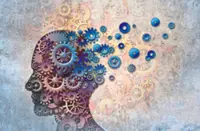
If AI systems evolve and have some level of consciousness, research will determine whether their needs and priorities are similar to or different from those of humans and animals, and that will inform what our approaches to their protection should look like. — AFP/Getty Images/TNS
Whether it’s the virtual assistants in our phones, the chatbots providing customer service for banks and clothing stores, or tools like ChatGPT and Claude making workloads a little lighter, artificial intelligence has quickly become part of our daily lives.
We tend to assume that our robots are nothing but machinery – that they have no spontaneous or original thought, and definitely no feelings. It seems almost ludicrous to imagine otherwise. But lately, that’s exactly what experts on AI are asking us to do.